Should You Paint the Inside of Kitchen Cabinets? What Austin Homeowners Should Know

You've decided it's time to give your kitchen cabinets a fresh look. You've chosen a new color, started exploring professional cabinet painting, and imagined how different your kitchen could feel.
But then another question comes up: Should you paint the inside of your kitchen cabinets, too?
The short answer is: not always.
Painting cabinet interiors can make sense in certain situations, but it isn't automatically necessary for a beautiful, professionally finished kitchen. The right decision depends on your cabinet materials, the condition of the existing interiors, how visible those surfaces are, and what you want to accomplish.
Before deciding, it's important to understand exactly which parts of your cabinets are being painted.

Do You Really Need to Paint the Inside of Kitchen Cabinets?
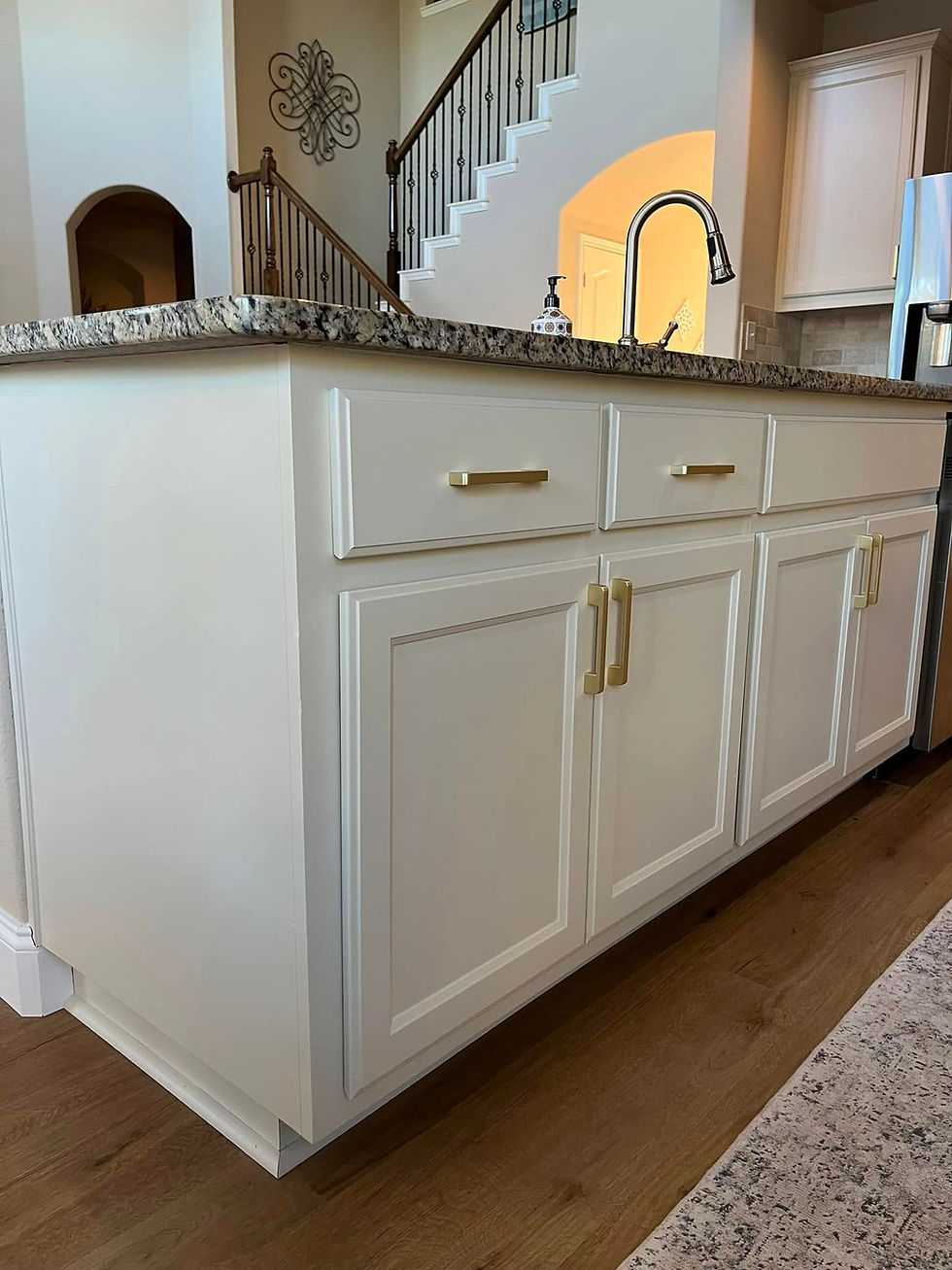
For many homeowners, the biggest visual transformation comes from painting the cabinet doors, drawer fronts, exposed frames, and other visible exterior surfaces.
These are the areas that define how your kitchen looks when the cabinets are closed.
If your cabinet interiors are clean, functional, and in good condition, keeping their original finish may be a practical choice.
For example, a kitchen with outdated exterior cabinet colors might have perfectly serviceable interior surfaces. Painting the exterior can dramatically change the kitchen's appearance without requiring every shelf and interior wall to be refinished.
However, there are exceptions.
If the interiors are highly visible, noticeably worn, or don't fit the homeowner's desired appearance, painting them may be worth considering.
The goal isn't necessarily to paint every surface. It's to identify which surfaces actually need attention.
What Does Professional Cabinet Painting Usually Include?
This is one of the most important questions homeowners should ask before accepting a cabinet painting estimate.
Not every painting contractor includes the same surfaces in a standard project.
At SN Star Painting, our standard cabinet painting scope includes:
Cabinet doors: Both the front and back sides.
Drawer fronts: The visible exterior faces of the drawers.
Exposed cabinet surfaces: Exterior areas that remain visible when the kitchen is assembled.
Cabinet face frames: All visible portions of the cabinet framing.
However, our standard scope does not include painting the interior walls and surfaces of the cabinet boxes.
If a homeowner wants those interior surfaces painted, we evaluate that additional work separately.
The Difference Between Cabinet Door Backs and Cabinet Box Interiors
These two areas are often confused.
The back of a cabinet door is the reverse side of the door itself. When you open the door, that painted surface moves with it.
The cabinet box interior is the stationary space behind the door, including the interior side walls, back panel, bottom, top, and potentially the shelves.
Painting both sides of a cabinet door does not mean the entire inside of the cabinet box will also be painted.

Understanding this distinction helps homeowners compare estimates accurately and avoid misunderstandings about the finished project.
Supporting Image #1 placement: A painted cabinet door opened to reveal a natural wood or factory-finished cabinet box interior.
When Does Painting Cabinet Interiors Make Sense?
Although interior cabinet painting isn't always necessary, there are situations where it can improve the overall appearance of a kitchen.
Glass-Front Cabinet Doors
Glass-front cabinets expose their interiors even when the doors are closed.
If the interior finish clashes with the new cabinet color, painting those visible surfaces may help create a more cohesive appearance.
The choice depends on the design. Some homeowners intentionally keep natural wood interiors to create contrast.
Open Shelving and Display Cabinets
Cabinets without traditional doors put their interior surfaces on display.
In these situations, the inside of the cabinet becomes part of the room's visible design rather than a concealed storage area.
A coordinated finish may be especially important.
Worn or Unattractive Interiors
Some older cabinets have interior finishes that are stained, discolored, or visibly deteriorated.
Depending on the material and condition, refinishing may improve their appearance.
However, painting isn't always the appropriate solution. Damaged substrates, moisture problems, or failing surfaces may require repairs or replacement before any coating is considered.
A Consistent Interior and Exterior Appearance
Some homeowners simply prefer a uniform finish throughout their cabinetry.
That is a valid design preference, particularly for custom projects or kitchens with frequently opened display cabinets.
The important consideration is whether the additional work provides enough value to justify the extra preparation, labor, and materials.
When Is It Better to Leave Cabinet Interiors Unpainted?
In many kitchens, preserving the existing cabinet interiors is the more practical option.
The Existing Finish Is in Good Condition
If the interiors are clean, attractive, and functioning well, there may be little reason to change them.
A professionally painted exterior can still deliver the visual update you're looking for.
The Cabinets Have a Durable Factory Finish
Many cabinet interiors feature factory-applied finishes or laminated surfaces designed for everyday storage.
These surfaces may already be well suited to their purpose.
Painting over them introduces new considerations involving surface preparation, adhesion, coating compatibility, and ongoing wear.
You Like the Natural Wood Appearance
Natural wood interiors can provide a warm contrast to painted cabinet exteriors.
For some kitchens, preserving that contrast is an intentional design decision rather than an unfinished detail.
The Interior Surfaces Are Rarely Visible
If the cabinet doors are usually closed and the interior surfaces remain largely hidden, painting them may have limited impact on the kitchen's overall appearance.
Homeowners may prefer to direct their budget toward more visible improvements.
You Want to Minimize Future Maintenance
Painted storage surfaces can experience friction, scratches, marks, and wear from everyday use.
Keeping a sound existing finish may avoid introducing additional painted surfaces that require care.
What About Shelves, Drawers, and High-Contact Surfaces?
This is where cabinet interior painting requires additional consideration.
Interior shelves, drawer bottoms, and other storage surfaces experience different conditions than cabinet doors.
Plates, cookware, containers, and other household items are frequently placed on these surfaces, moved around, and removed.

That repeated contact can create wear over time.
Before painting these areas, several factors should be evaluated:
Surface material: Wood, plywood, MDF, melamine, and other manufactured surfaces may require different preparation methods.
Existing finish: Factory coatings and laminates can present adhesion challenges.
Coating selection: Not every paint or finish is appropriate for frequently used horizontal storage surfaces.
Drying and curing: A coating that feels dry may not yet have developed its intended performance characteristics.
Daily use: Sliding objects, heavy cookware, moisture, and cleaning routines can affect the finish.
For these reasons, painting cabinet shelves and drawer interiors should not automatically be treated the same as painting cabinet doors.
A suitable finishing system and realistic expectations are essential.
Even professionally applied coatings can experience wear under regular use.
Supporting Image #2 placement: Close-up of a cabinet shelf and interior storage surfaces, illustrating areas exposed to everyday contact.
Does Painting the Inside of Cabinets Cost More?
Generally, yes.
Painting cabinet interiors expands the amount of surface area and work involved in a project.
Depending on the cabinetry, the additional scope may require:
Removing shelves and protecting hardware or components.
Thorough cleaning and additional surface preparation.
Masking areas that should remain unpainted.
Applying compatible primers or coating systems when appropriate.
Additional materials and labor.
Allowing sufficient drying and curing time before the cabinets return to normal use.
Interior spaces can also be more challenging to access than detached cabinet doors or exposed exterior surfaces.
The actual cost depends on the number of cabinets, their construction materials, existing conditions, and which interior surfaces the homeowner wants refinished.
At SN Star Painting, interior cabinet painting is evaluated and estimated separately from our standard exterior cabinet painting scope.
If you're planning your overall budget, our guide to
explains the broader factors that influence professional cabinet painting estimates.
Questions to Ask Before Hiring a Cabinet Painter
Before approving a cabinet painting proposal, make sure you understand exactly what the contractor plans to paint.
Here are six useful questions:
Are both sides of the cabinet doors included? Don't assume the backs of the doors are automatically part of every estimate.
Are drawer fronts included? Confirm which visible drawer surfaces will receive the new finish.
Will exposed face frames be painted? These surfaces should be clearly addressed in the project scope.
Are cabinet box interiors included? Ask whether the interior walls, backs, bottoms, and other concealed surfaces are part of the estimate.
What happens if I want the shelves painted? Discuss materials, preparation, coating suitability, and everyday use.
How will additional interior work affect the estimate? Request a clear explanation of the added scope, cost, and expected schedule.
A detailed estimate should make these distinctions understandable before work begins.
If you're considering a kitchen update, learning what is included in
can help you plan the right project for your home.
The Right Cabinet Painting Plan for Your Kitchen
So, should you paint inside kitchen cabinets?
Only when it makes sense for your kitchen.
If your cabinet interiors are in good condition and mostly hidden behind solid doors, preserving their existing finish may be the smartest choice.
If you have glass-front cabinets, open shelving, worn interior surfaces, or a specific design preference, additional interior painting may be worth evaluating.
A successful cabinet painting project isn't measured by how many surfaces receive paint. It's measured by whether the finished result meets your expectations, works with your existing cabinetry, and makes good use of your investment.
At SN Star Painting, we believe homeowners deserve to understand exactly what they're getting before a project begins.
Planning a Kitchen Cabinet Transformation in Austin?
Every kitchen is different.
SN Star Painting helps homeowners in Austin, Pflugerville, Round Rock, Cedar Park, and surrounding communities evaluate their cabinet painting and refinishing options.
Whether you're updating the visible exterior surfaces or considering additional interior work, we can help you understand what makes sense for your project.
Spend Smarter. Not More.
Phone: (512) 517-6190 Website:
Email: contact@snstarpainting.com


Comments