How to Choose the Right Rubio Monocoat Color for White Oak Cabinets

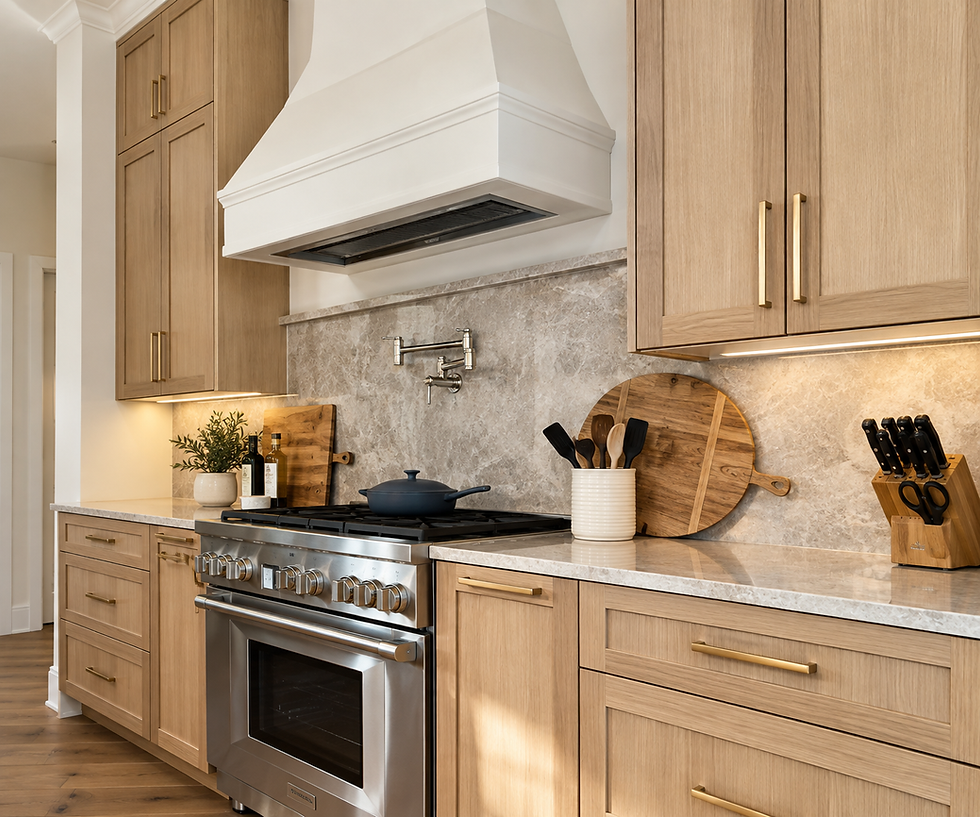
White Oak has become a favorite choice for custom kitchen cabinets, bathroom vanities, built-ins, and architectural woodwork. Its distinctive grain pattern and versatile natural appearance make it an excellent option for homeowners who want warmth, texture, and timeless character in their interiors.
But choosing the right wood is only part of the process.
The finish you select can dramatically influence how your White Oak cabinetry looks in the completed space.
At SN Star Painting, we've worked with several Rubio Monocoat Oil Plus 2C colors on real residential projects throughout the Austin, Texas area. Three finishes in particular demonstrate how different the same wood species can look: Natural, Mud Light, and Havana.
In this guide, we'll explore these three Rubio Monocoat colors for White Oak, explain what to consider before choosing a finish, and share examples from actual SN Star Painting projects in Southwest Austin, Bastrop, and Driftwood.
Why Finish Color Matters on White Oak Cabinets
White Oak is appreciated for its visible grain, natural variation, and ability to complement a wide range of interior design styles.
However, unfinished White Oak doesn't necessarily look the same after a finishing product is applied.
The final appearance depends on several factors, including:
The natural color and grain variation of the wood.
The selected finishing color.
Surface preparation and sanding.
Lighting conditions in the room.
Nearby materials, such as countertops, flooring, backsplash tile, and painted cabinetry.
Two kitchens built with White Oak can look remarkably different simply because of their finishing choices.
That's why selecting a wood finish should be part of the overall design process, not an afterthought.
What Is Rubio Monocoat Oil Plus 2C?
Rubio Monocoat Oil Plus 2C is a wood-finishing system designed to color and protect interior wood surfaces while preserving the visibility of the natural grain.
Unlike an opaque painted finish, a pigmented wood oil allows the character of the underlying wood to remain part of the design.
For White Oak cabinetry, this makes Rubio Monocoat an appealing option when homeowners want to highlight the wood rather than conceal it.
The system is available in a range of colors, from light, understated appearances to warmer and more pronounced tones.
An important distinction: Rubio Monocoat color names don't guarantee an identical appearance on every piece of wood. The final result should always be evaluated on a properly prepared sample of the actual material.
Rubio Monocoat Natural: A Light, Organic Look

Real Project: Southwest Austin, TX
For homeowners who want their White Oak cabinetry to feel bright, understated, and connected to the natural character of the wood, Rubio Monocoat Natural is worth considering.
Natural can create a light appearance while allowing the wood's grain and variation to remain visible.
It works particularly well in interiors where wood cabinetry is combined with light-colored walls, stone surfaces, and neutral painted finishes.
How We Used Natural in Southwest Austin
In a custom residential project in Southwest Austin, SN Star Painting applied Rubio Monocoat Oil Plus 2C — Natural to White Oak cabinetry and architectural woodwork throughout multiple rooms.
The project included kitchen cabinetry, bathroom vanities, a mudroom, a home office, and custom built-ins.
The kitchen also featured cabinetry painted in Sherwin-Williams Alabaster, creating a combination of painted surfaces and natural wood finishes.
The result illustrates how a consistent wood finish can connect different rooms while allowing each space to maintain its own character.
Explore the completed project: Custom White Oak Finishing in Southwest Austin.
Rubio Monocoat Mud Light: Warmth and Subtle Contrast

Real Project: The Colony, Bastrop, TX
Mud Light is another option for homeowners looking for a warm, natural-looking White Oak finish.
Depending on the wood and surrounding lighting, it can introduce a soft, earthy character that complements warm neutrals and painted cabinetry.
This makes it an interesting choice for kitchens that combine different cabinet finishes.
How We Used Mud Light in Bastrop
At a residential project in The Colony, Bastrop, Texas, SN Star Painting completed a two-tone kitchen using:
Sherwin-Williams Accessible Beige for painted cabinetry.
Rubio Monocoat Oil Plus 2C — Mud Light for natural White Oak cabinetry.
The combination allowed the painted and wood surfaces to contribute different textures and visual qualities to the same kitchen.
Rather than making every cabinet identical, the design used complementary finishes to establish balance and contrast.
Explore the completed project: Two-Tone Kitchen Cabinets in The Colony, Bastrop.
Rubio Monocoat Havana: A Richer Wood Appearance
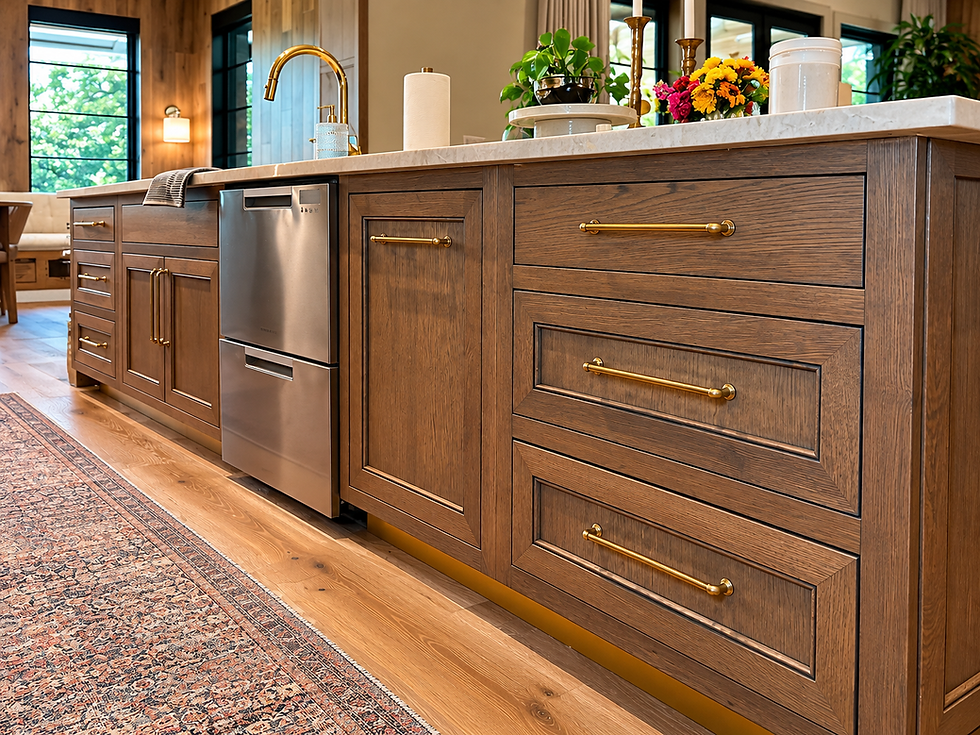
Real Project: Driftwood, TX
For homeowners seeking a more pronounced wood tone, Havana offers a different aesthetic direction.
Compared with the lighter looks often associated with Natural and Mud Light, Havana can create a richer, deeper appearance on White Oak.
This may be especially appealing for custom built-ins, statement cabinetry, and architectural woodwork where the natural material is intended to stand out.
How We Used Havana in Driftwood
In a residential project in Driftwood, Texas, SN Star Painting used Rubio Monocoat Oil Plus 2C — Havana on custom White Oak cabinetry, built-ins, and interior woodwork.
The project demonstrates how a deeper finishing color can emphasize the design and craftsmanship of custom wood elements.
Havana is particularly worth exploring when homeowners want White Oak to provide visual depth rather than blend into a predominantly light interior.
Explore the Driftwood project: Visit our Wood Finishing portfolio to see the Havana project and other real White Oak finishing applications.
Natural vs. Mud Light vs. Havana: Which One Is Right for Your Cabinets?
There isn't one Rubio Monocoat color that works best for every White Oak kitchen.
The ideal choice depends on the design goals, surrounding finishes, and appearance of the actual wood.
Finish | General Aesthetic Direction | Design Considerations |
Natural | Light, organic, understated | Consider for bright spaces and neutral interiors |
Mud Light | Warm, soft, earthy | Explore with warm painted cabinets and natural materials |
Havana | Richer, deeper wood tone | Consider for statement cabinetry and custom woodwork |
These descriptions are general visual guidance, not fixed color specifications. Actual results vary with wood characteristics, preparation, application, and lighting.
The most reliable way to compare finishes is to evaluate physical samples under the lighting conditions of the intended room.
Five Things to Consider Before Choosing a Rubio Monocoat Color
1. Look at Your Actual White Oak
White Oak varies naturally in color, grain, and character.
A finish applied to one board may look different on another, even when both are White Oak.
Whenever possible, request samples made from material representative of your actual cabinetry.
2. Evaluate the Finish in Natural and Artificial Light
Morning sunlight, warm under-cabinet lighting, and evening interior lighting can all influence how a wood finish appears.
A sample that looks ideal in a showroom may appear different in your kitchen.
View samples at different times of day before making a final decision.
3. Consider Your Painted Cabinet Colors
If your kitchen includes both painted cabinetry and White Oak, the two finishes should be evaluated together.
For example, our Bastrop project paired Mud Light with Sherwin-Williams Accessible Beige, while our Southwest Austin project incorporated Natural alongside Alabaster-painted cabinetry.
These are examples of completed design combinations, not rules that limit which finishes can work together.
4. Compare the Finish With Your Countertops and Flooring
Cabinet finishes don't exist in isolation.
Countertop veining, flooring undertones, backsplash materials, and hardware all influence the overall appearance of the space.
A finish that looks subtle on a small sample may become a major visual feature when applied across an entire kitchen.
5. Prioritize Proper Preparation and Application
Even the right color can produce disappointing results if the surface is not prepared appropriately.
Professional wood finishing requires attention to sanding, surface condition, product instructions, and consistent application.
This is especially important for custom cabinetry, where variations in preparation can become noticeable across adjacent doors, drawers, and face frames.
Can Rubio Monocoat Be Combined With Painted Kitchen Cabinets?
Yes. Combining natural White Oak with painted cabinetry is a popular design approach for creating contrast and visual interest.
Paint provides an opaque, consistent color, while a wood finish allows the grain and natural variation of White Oak to remain visible.
Our Southwest Austin and Bastrop projects demonstrate two different approaches to combining these materials.
If you're exploring this design style, read our article about two-tone kitchen cabinets, where we discuss how painted cabinetry and natural wood finishes can work together in residential interiors.
Frequently Asked Questions About Rubio Monocoat Colors for White Oak
Does Rubio Monocoat Natural make White Oak look completely unfinished?
Not necessarily. Natural is a finishing color, and the completed appearance depends on the wood, preparation, and application. It should not be assumed to look identical to raw, unfinished White Oak.
Is Mud Light always darker than Natural?
Not in every situation. The perceived difference depends on the actual wood and lighting. Comparing properly prepared physical samples is more reliable than relying on color names or online photographs.
Can Havana be used on kitchen cabinets?
Havana can be considered for suitable interior White Oak cabinetry projects. Product suitability, surface preparation, application, and maintenance requirements should be confirmed for the intended use.
Can I use different Rubio Monocoat colors in the same home?
Yes. Different colors can be incorporated into separate rooms or design elements when the overall aesthetic calls for variation.
However, using one consistent finish across several rooms can also create visual continuity, as demonstrated in our Southwest Austin project.
Should I choose a Rubio Monocoat color from online photos?
Online photos are useful for inspiration, but they should not be the final basis for selecting a finish.
Camera settings, screen calibration, lighting, and natural wood variation can all change how the color appears.
Physical samples are the best way to make a confident selection.
Professional White Oak Finishing in Austin, TX
Choosing the right Rubio Monocoat color is about more than selecting a shade from a chart.
It's about understanding the wood, considering the surrounding materials, and creating a finish that complements the overall design of your home.
At SN Star Painting, we provide professional White Oak finishing, custom wood finishing, and cabinet painting services throughout Austin and surrounding Central Texas communities.
Our completed projects in Southwest Austin, Bastrop, and Driftwood demonstrate different ways Rubio Monocoat finishes can be incorporated into residential cabinetry and custom woodwork.
Explore our White Oak and Rubio Monocoat finishing services to learn more.
Ready to Bring Your White Oak Project to Life?
Whether you're planning a new custom kitchen, finishing built-ins, or exploring natural wood finishes for your home, SN Star Painting can help you evaluate your options.
Call or text (512) 517-6190
Visit www.snstarpainting.com
SN Star Painting — Spend Smart. Not More.


Comments